


The Difference Between Normal Aging and Warning Signs in Dogs
I. Introduction
As dogs grow older, change is inevitable. Slower movements, longer naps, and quieter routines are often part of the natural aging process. But not every change should be dismissed as “just getting old.”
Understanding the difference between normal aging and potential health concerns helps pet parents respond with confidence rather than anxiety. Knowing what’s expected—and what’s not—can make all the difference in your dog’s comfort and quality of life.


II. Normal Aging in Dogs
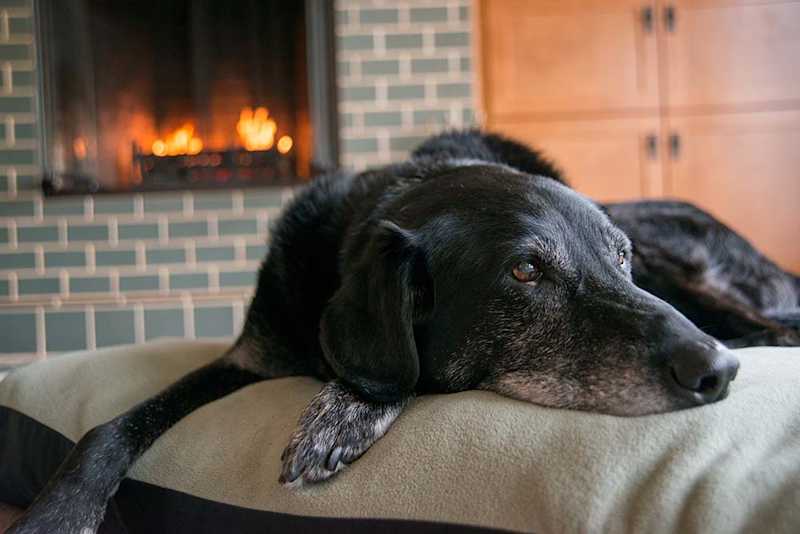
Normal aging tends to be gradual and predictable. These changes usually develop slowly and don’t dramatically disrupt daily life.
Common physical changes may include mild stiffness after rest, reduced stamina on walks, or a slower response when standing up. These signs often improve with gentle movement and warm, familiar environments.
You may also notice expected behavioral shifts, such as increased sleep, less interest in intense play, or preferring familiar routines over new experiences.
This natural slowing down is not a loss—it’s an adjustment. Many senior dogs remain content, alert, and emotionally engaged even as their pace changes.

III. Warning Signs to Watch For
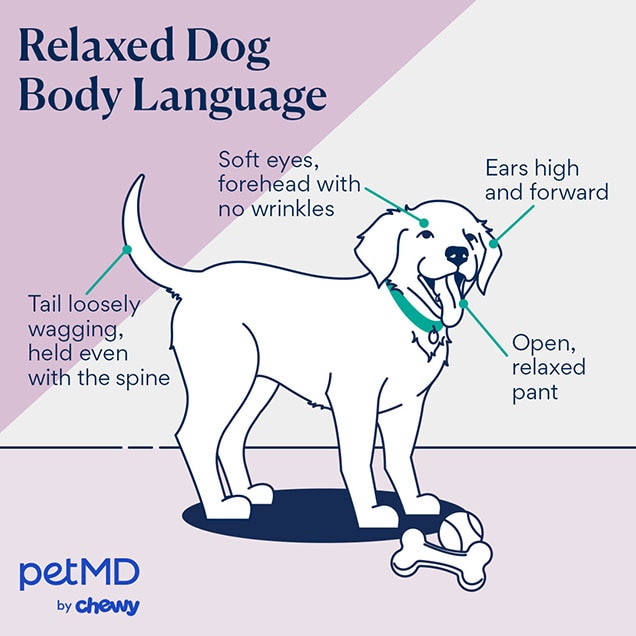
Warning signs tend to look different from normal aging. They are often persistent, progressive, or disruptive.
Persistent pain indicators may include ongoing limping, vocalizing, guarding certain body parts, or signs of discomfort that don’t improve with rest.
Significant mobility changes, such as sudden difficulty standing, collapsing, or refusing to walk, should never be ignored—especially if they appear quickly.
You should also watch for unusual behavioral symptoms, including sudden aggression, withdrawal, confusion, appetite loss, or changes in bathroom habits. These shifts often signal that something more than aging is happening.


IV. When to Consult a Veterinarian
Knowing when to seek professional help is key.
Red flag symptoms include sudden onset of pain, rapid decline in mobility, drastic behavior changes, or symptoms that worsen over time instead of stabilizing.
Early detection allows for better management, pain relief, and support. Many conditions are far easier to treat when addressed early rather than after they progress.
Veterinarians often recommend regular senior dog health screenings, which may include mobility assessments, blood work, and wellness checks tailored to aging dogs.
When in doubt, trust your instincts. You know your dog best.
V. Supporting Aging Dogs
Whether changes are normal or concerning, support plays a crucial role.
Mobility support options such as gentle assistance tools, stable walking surfaces, and reduced strain during movement can help dogs feel safer.
Comfort-enhancing strategies—soft resting areas, consistent routines, and warm, quiet spaces—make daily life easier on aging bodies.
Ultimately, quality of life matters most. Comfort, dignity, and emotional security should guide every decision as your dog grows older.


VI. Conclusion
Not every change in an aging dog is a warning sign—but not every change should be ignored, either.
By learning the difference between normal aging and signals of concern, pet parents can respond with clarity, not fear. Awareness empowers you to provide better care, make informed decisions, and support your dog with compassion through every stage of life.
Aging is not a problem to fix—it’s a journey to navigate together, with understanding and care.