


Why Your Dog Follows You More as They Get Older

I. Introduction
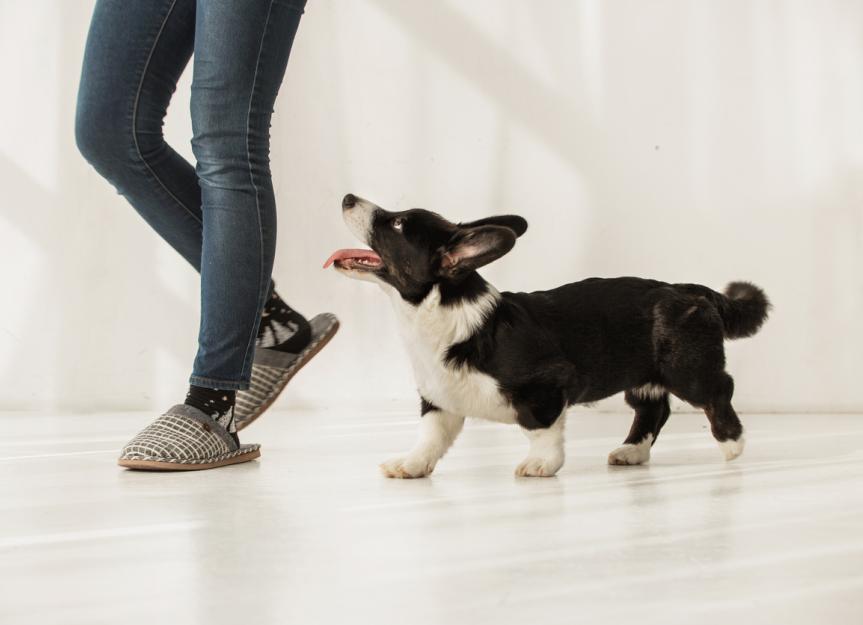
As dogs grow older, many pet parents notice a quiet but meaningful change: their dog starts following them everywhere. From room to room, step by step, your senior dog seems more attached than ever.
This behavior isn’t accidental. Aging brings physical, emotional, and psychological changes—and with them, a deeper need for comfort and connection. Understanding why your senior dog follows you more closely can help you support them with empathy and care.
II. Understanding Dog Attachment in Senior Years

As dogs age, their attachment style often shifts.
Emotional and Physical Reasons
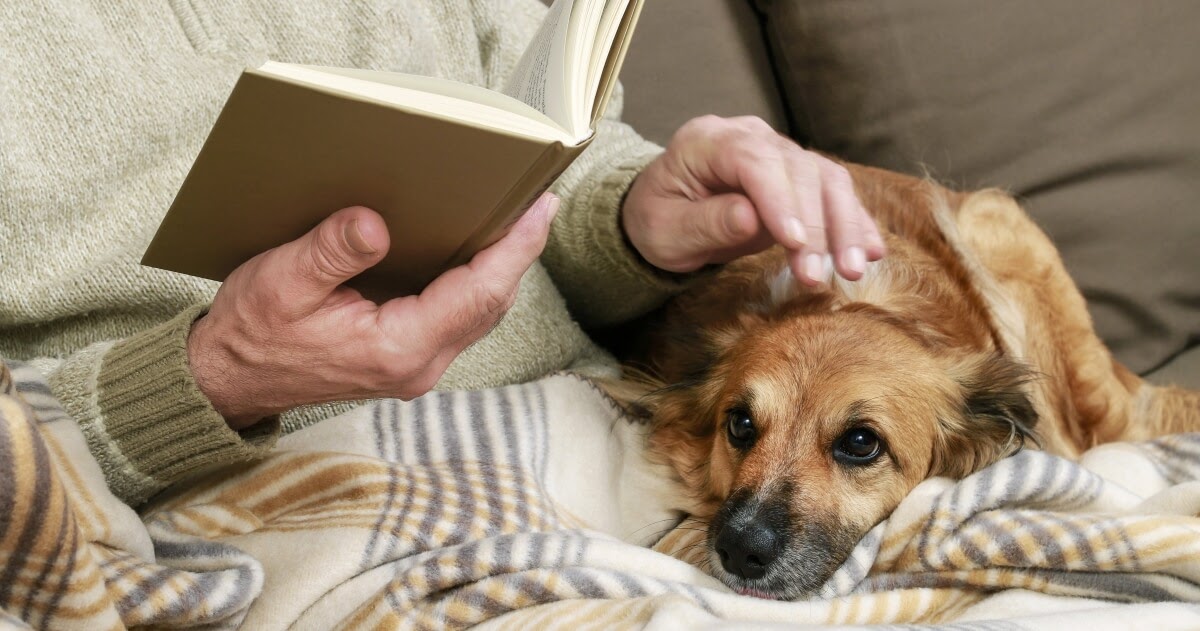
Senior dogs rely more on familiar routines and trusted people. Their world feels safest when you’re close. Changes in their body—stiff joints, slower movement, or fatigue—can make independence harder than it once was.
Seeking Comfort and Security
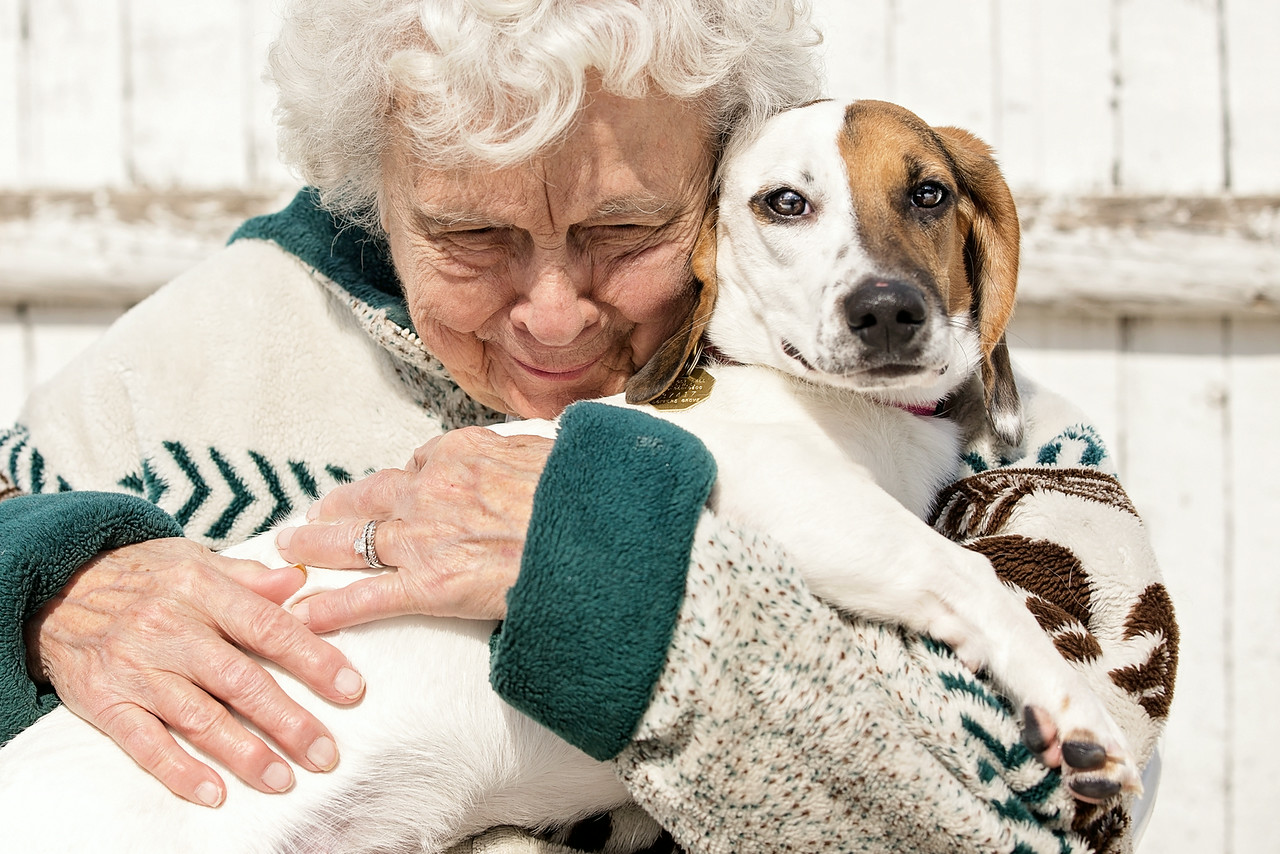
You represent stability. Your presence reassures them that they’re safe, cared for, and not alone. Following you is often a way of staying connected to their “safe place.”
III. Psychological Factors Behind Following Behavior
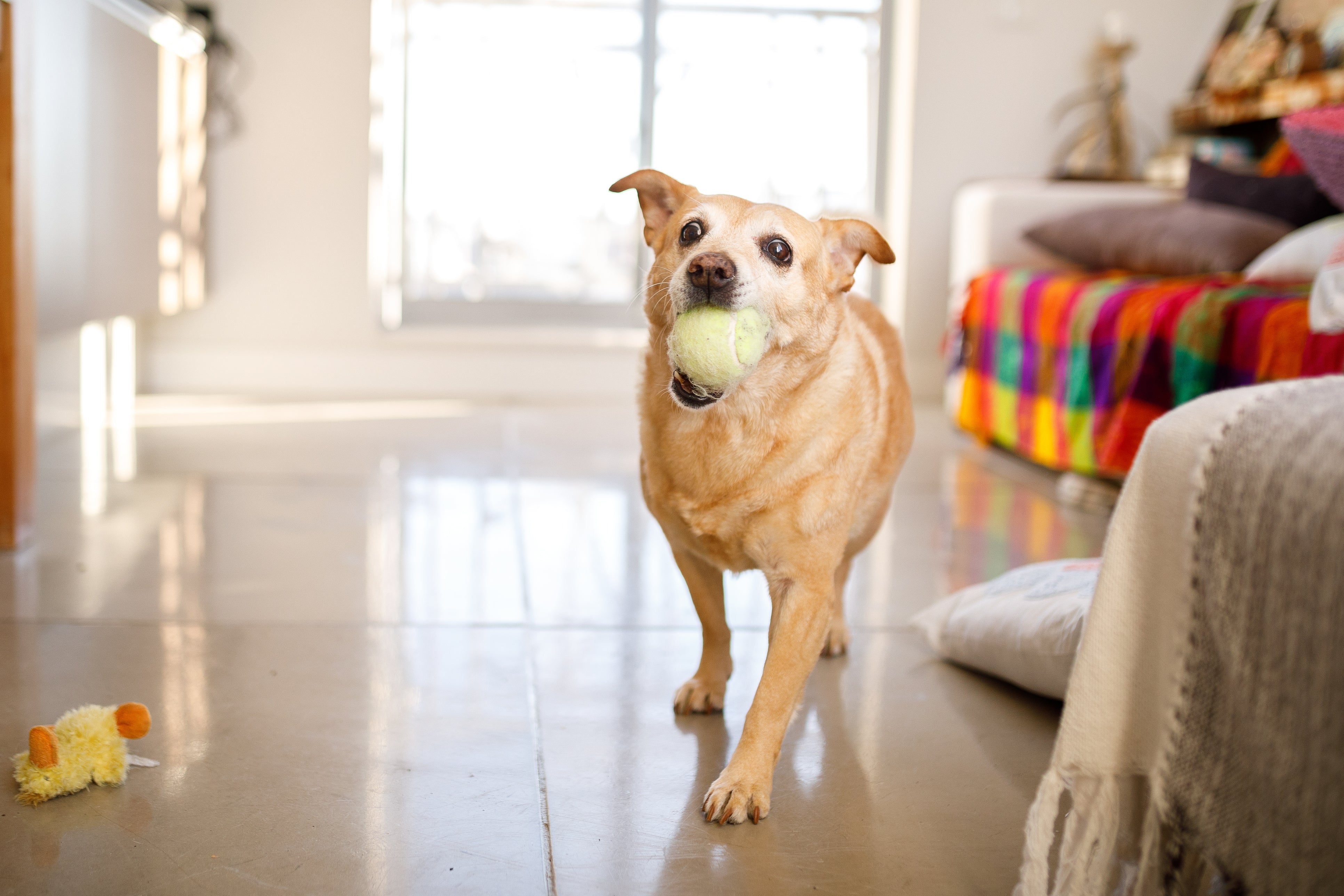
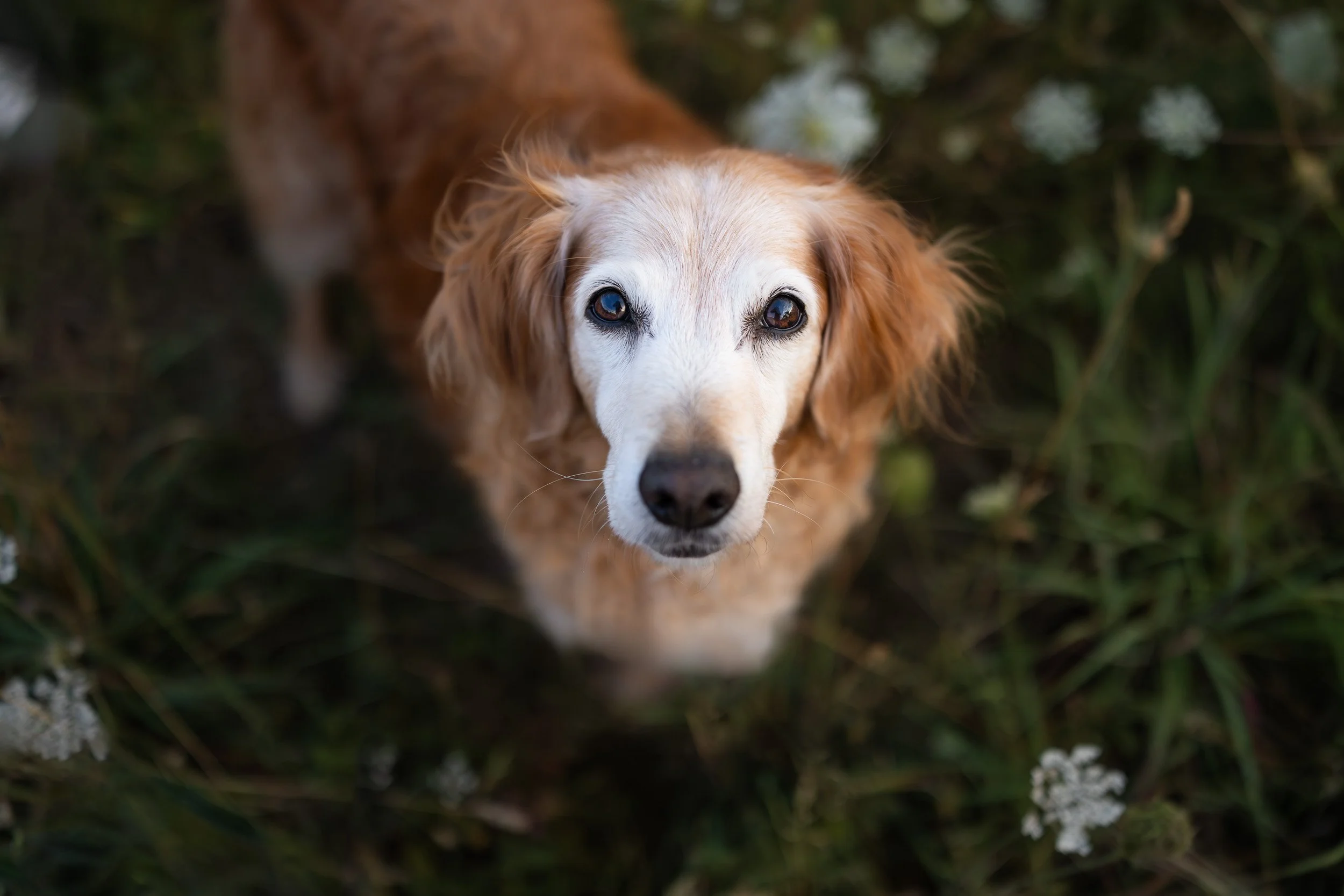

Beyond physical changes, psychological factors play a major role.
Increased Dependency
As confidence decreases with age, senior dogs may depend more on their humans for guidance and reassurance—much like puppies do.
Anxiety and Sensory Changes
Hearing loss, reduced vision, or cognitive decline can make the environment feel unpredictable. Staying close helps your dog stay oriented.
Desire for Reassurance
Your voice, scent, and movements provide emotional grounding. Following you is a quiet way of saying, “Please don’t leave me behind.”
IV. Physical Reasons for Closer Proximity


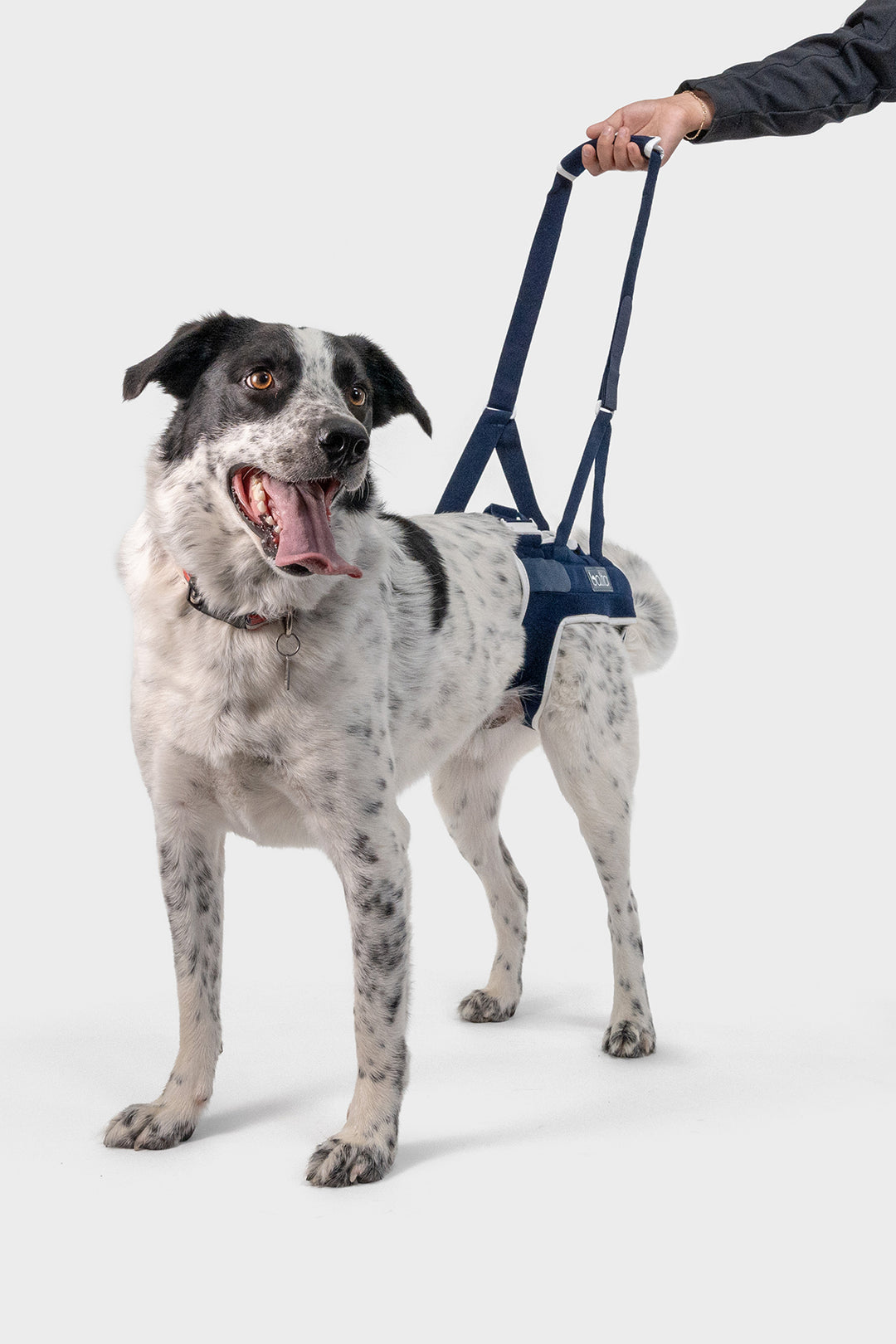
Physical limitations often intensify following behavior.
Reduced Mobility
Older dogs may struggle to get up or move quickly. Staying close prevents them from feeling left behind.
Sensory Limitations
When sight or hearing fades, proximity becomes a substitute for awareness.
Need for Support and Protection
Your presence offers both emotional safety and physical assistance if they stumble or feel unsure.
V. How to Support Your Aging Dog


Your dog isn’t being clingy—they’re communicating a need.
Recognize Their Emotional Needs
Patience, gentle routines, and predictable schedules go a long way.
Provide Comfort and Stability
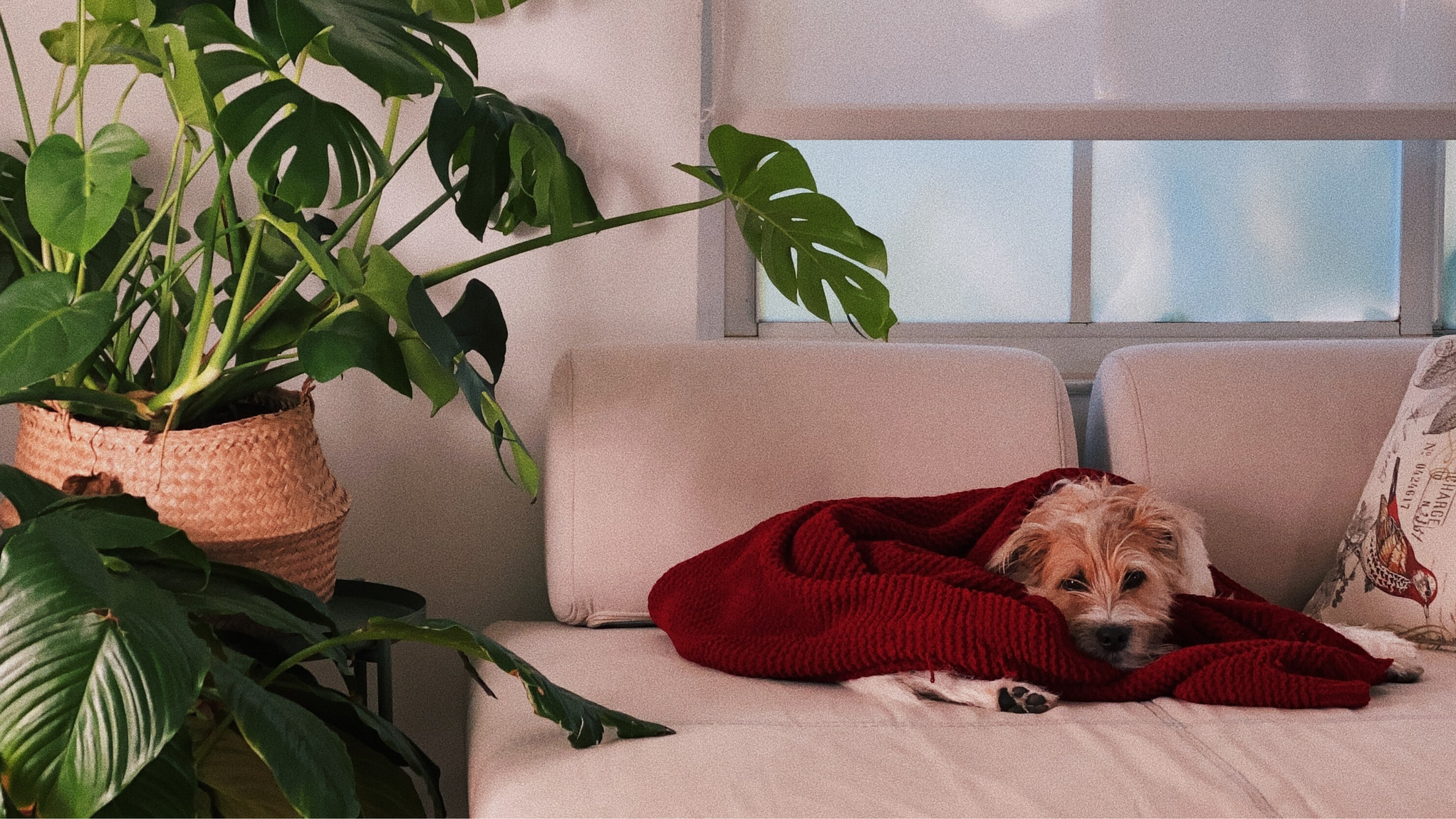
Soft resting areas, non-slip floors, and quiet environments reduce stress.
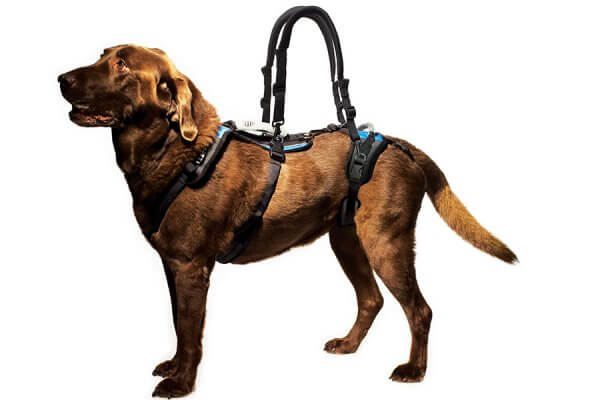
Use Supportive Products
Well-designed harnesses and mobility aids can restore confidence, helping your dog move safely without fear or pain—allowing closeness without dependency becoming distress.
VI. Conclusion
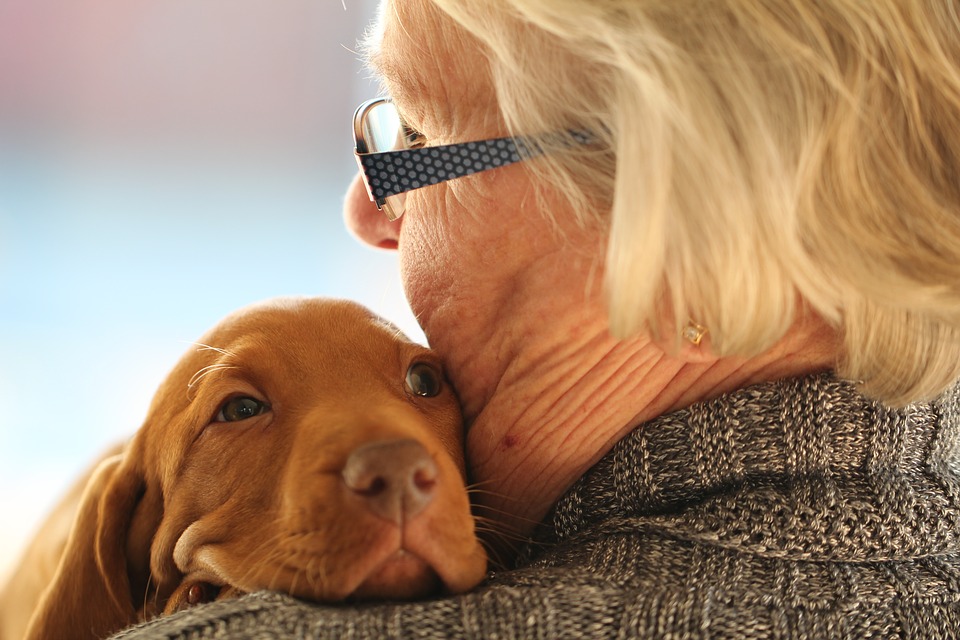

When your dog follows you more as they age, it’s not a problem to fix—it’s a bond to honor.
Understanding senior dog behavior helps you respond with compassion rather than concern. This stage of life offers a quieter, deeper connection—one built on trust, care, and shared presence.
Walking side by side, a little slower than before, is often exactly where love lives.