


What Changes in Appetite Can Mean for Senior Dogs


I. Introduction
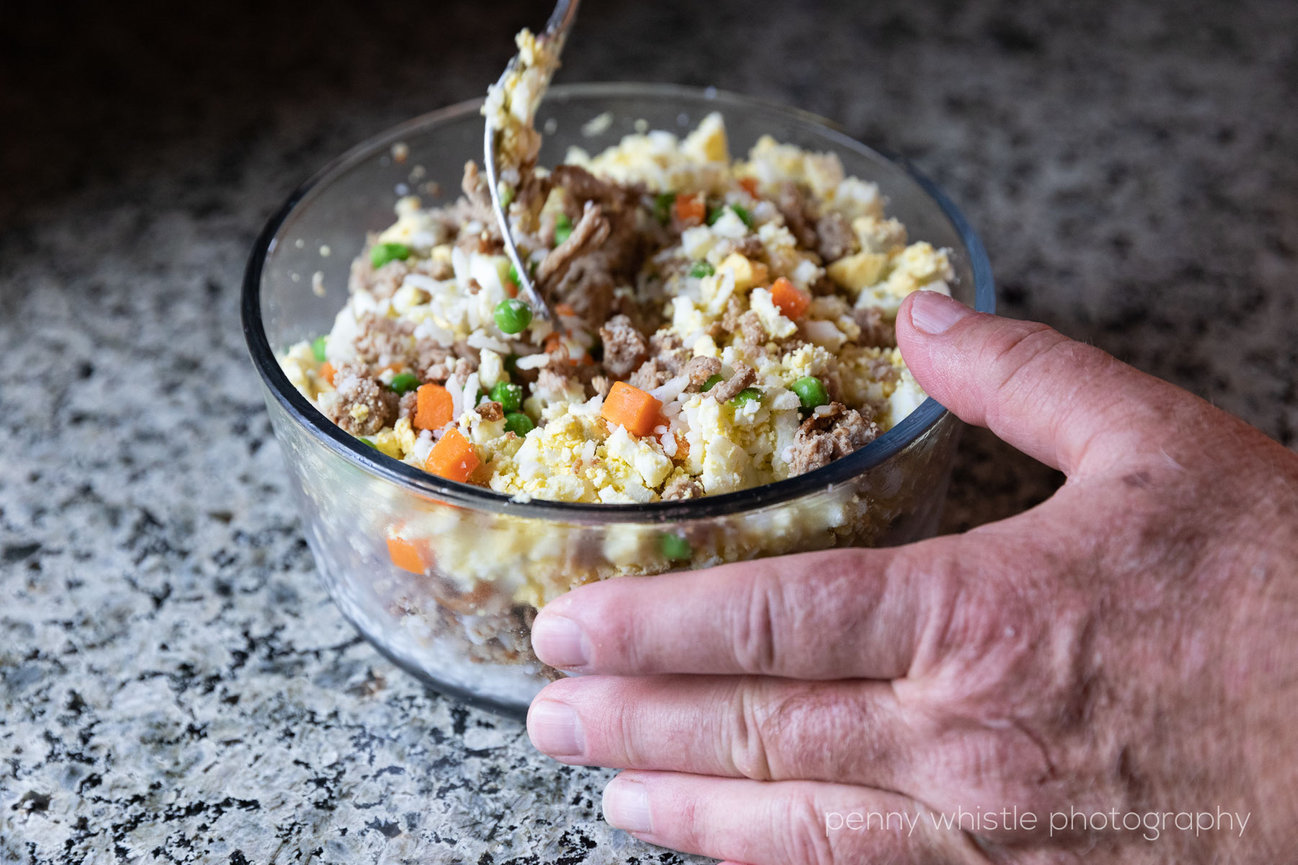
As dogs enter their senior years, subtle changes begin to appear—slower movements, longer naps, and often, shifts in appetite. Many pet parents notice their aging dog eating less, becoming picky, or losing interest in food altogether.
Monitoring your senior dog’s eating habits is more than a routine task. Appetite changes can be one of the earliest signs that something deeper is happening, both physically and emotionally.
II. Common Appetite Changes in Senior Dogs

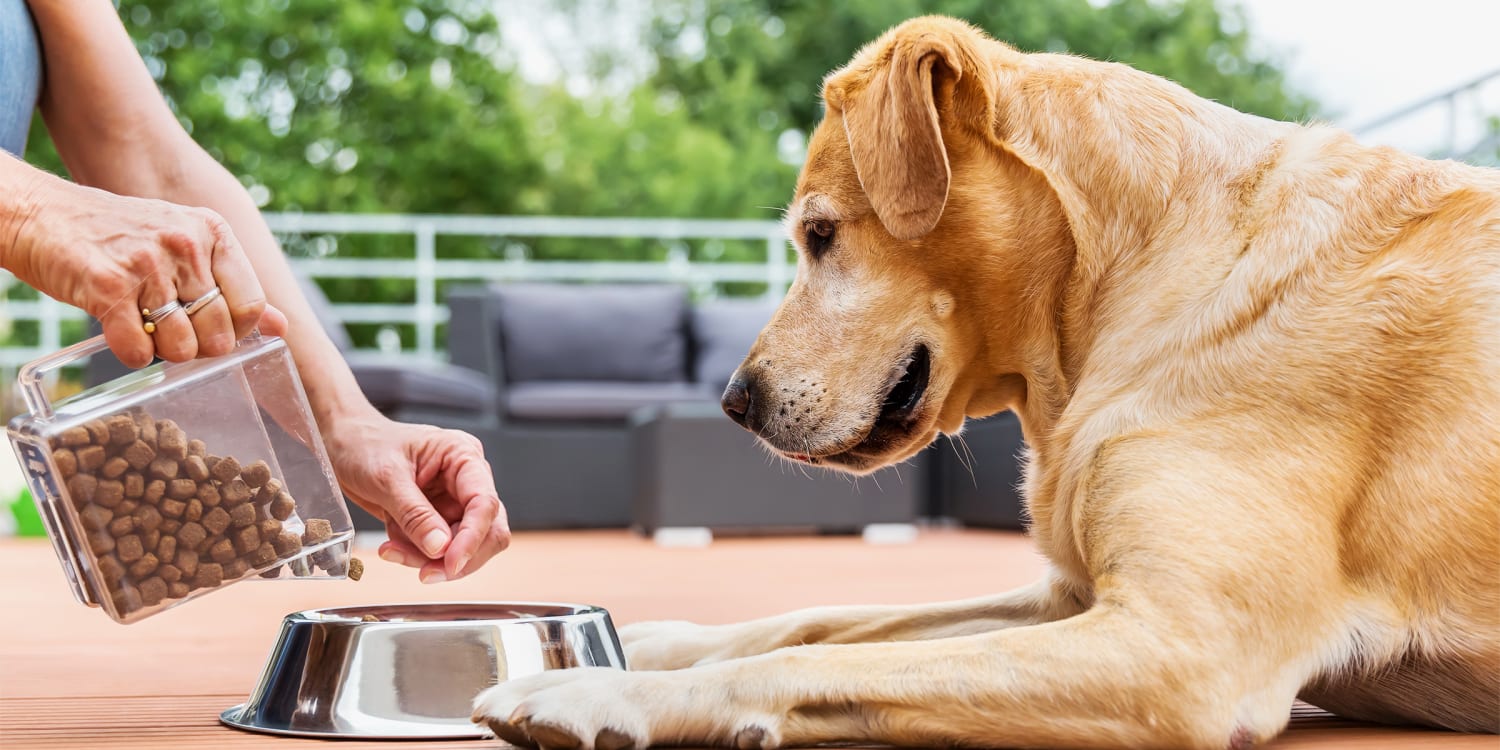
Not all appetite changes signal illness, but patterns matter.
Decreased Food Intake
Older dogs often eat less due to lower energy needs. However, a sudden or significant decrease should never be ignored.
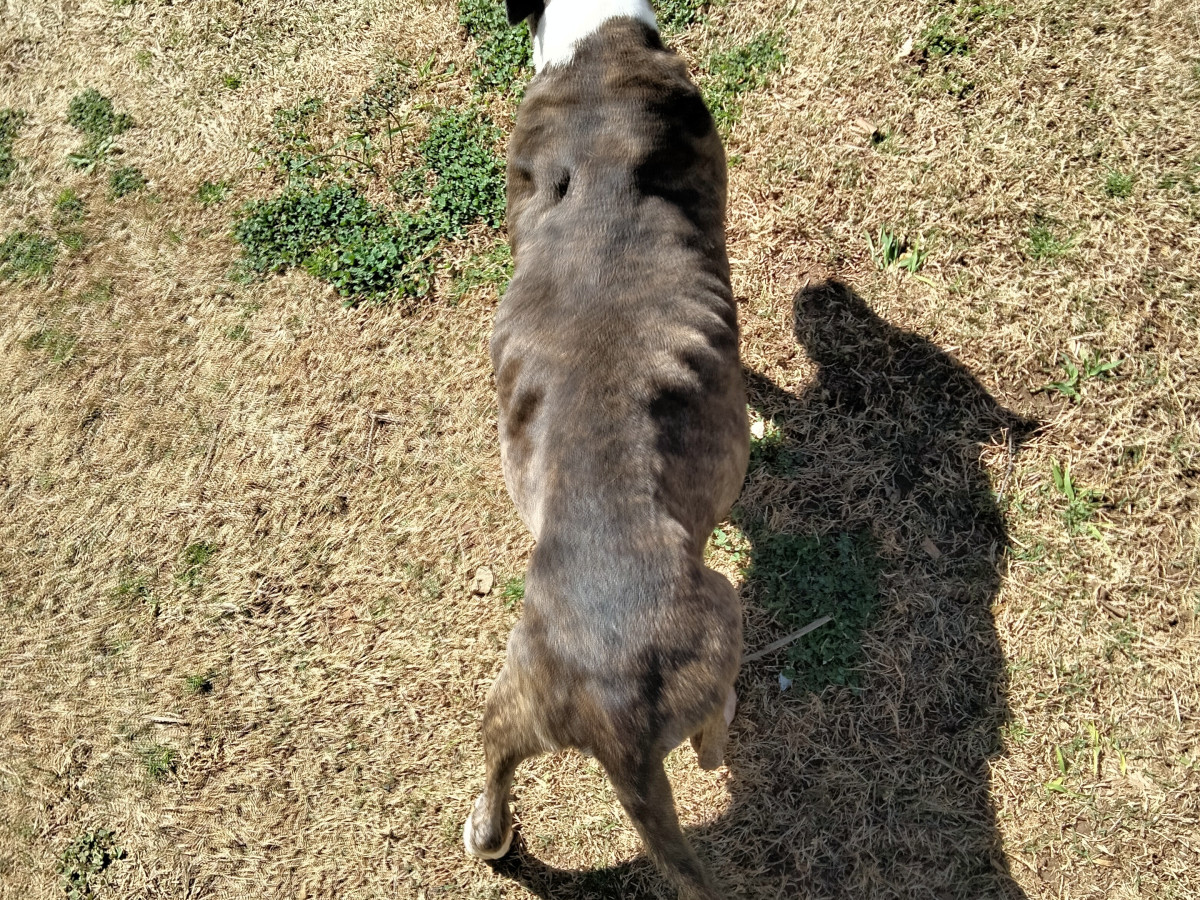
Sudden Weight Loss
Unintended weight loss is one of the most important warning signs in senior dogs and should always prompt closer observation.
Selective Eating
Your dog may begin refusing kibble but accept soft foods or treats. This can indicate discomfort rather than stubbornness.
III. Potential Underlying Causes


Appetite changes rarely happen without a reason.
Dental Issues
Tooth pain, gum disease, or missing teeth can make eating uncomfortable—even painful.
Age-Related Metabolism Changes
As metabolism slows, calorie needs decrease, which can naturally reduce appetite.
Medical Conditions
Kidney disease, liver issues, gastrointestinal problems, or hormonal imbalances are common in older dogs and often affect eating behavior.
Medication Side Effects
Some medications alter taste, cause nausea, or suppress appetite altogether.
IV. When to Be Concerned
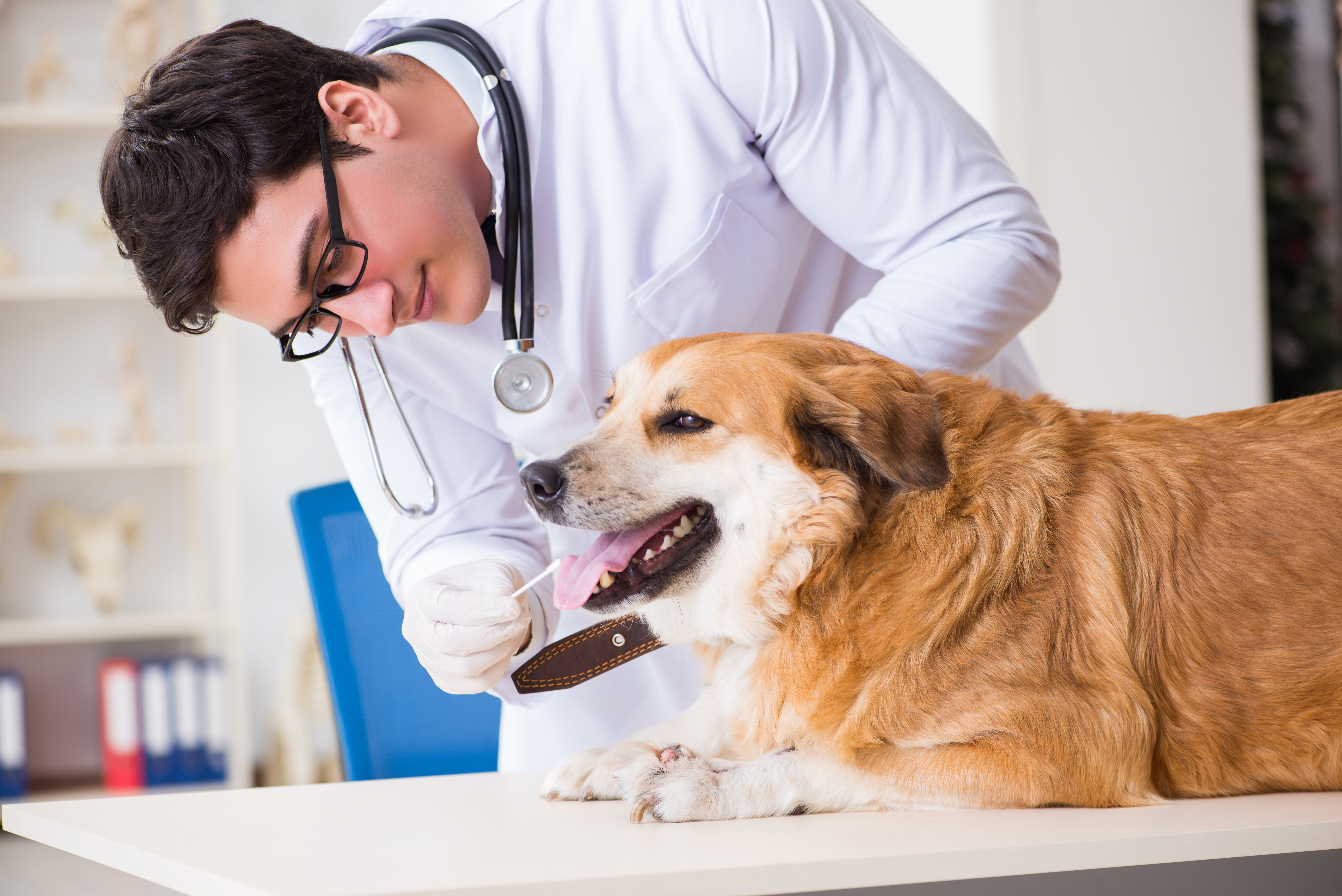
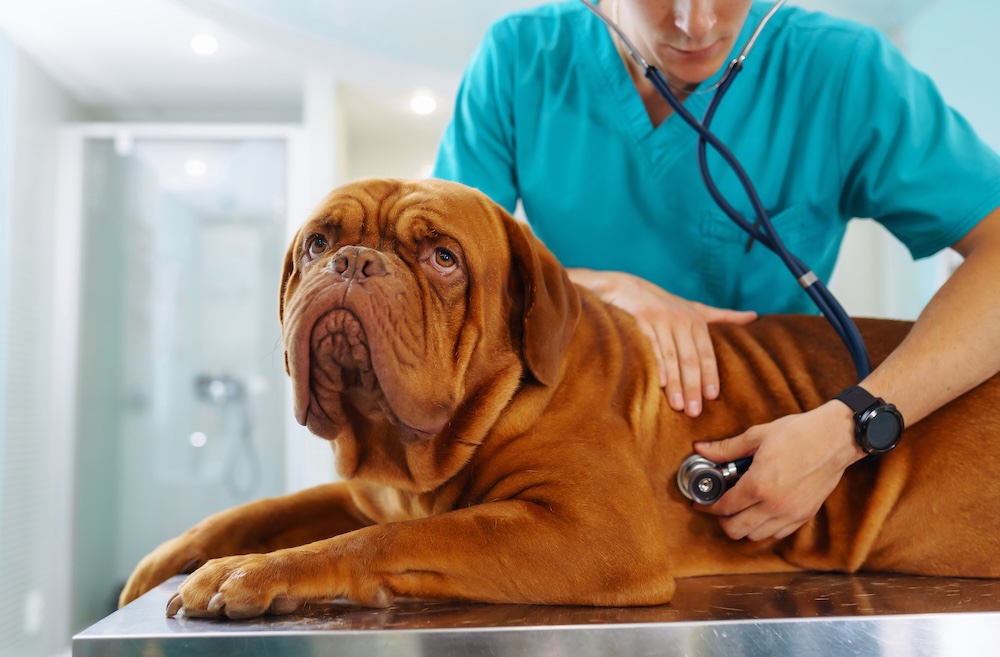
Knowing when to worry is crucial.
Signs of Serious Health Problems
-
Complete refusal of food
-
Lethargy combined with appetite loss
-
Vomiting or diarrhea
-
Rapid weight loss
Duration and Severity
If appetite changes last longer than 24–48 hours, especially in senior dogs, professional guidance is recommended.
Red Flags to Watch For
Behavior changes, hiding, restlessness, or signs of pain alongside appetite loss are never “just aging.”
V. Supporting Your Senior Dog’s Nutrition
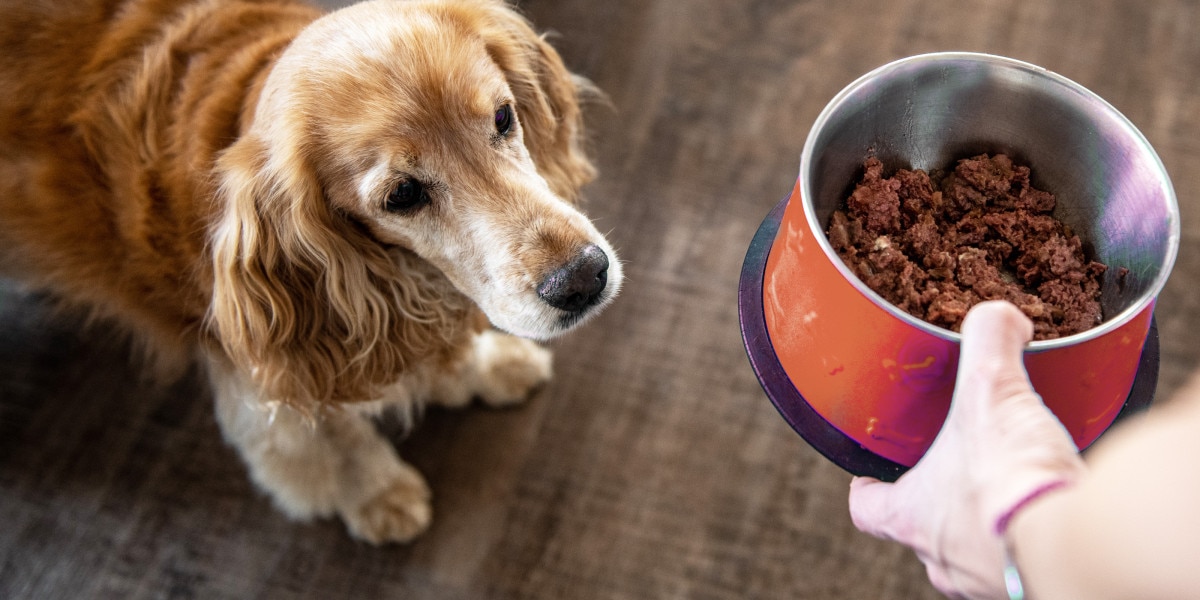
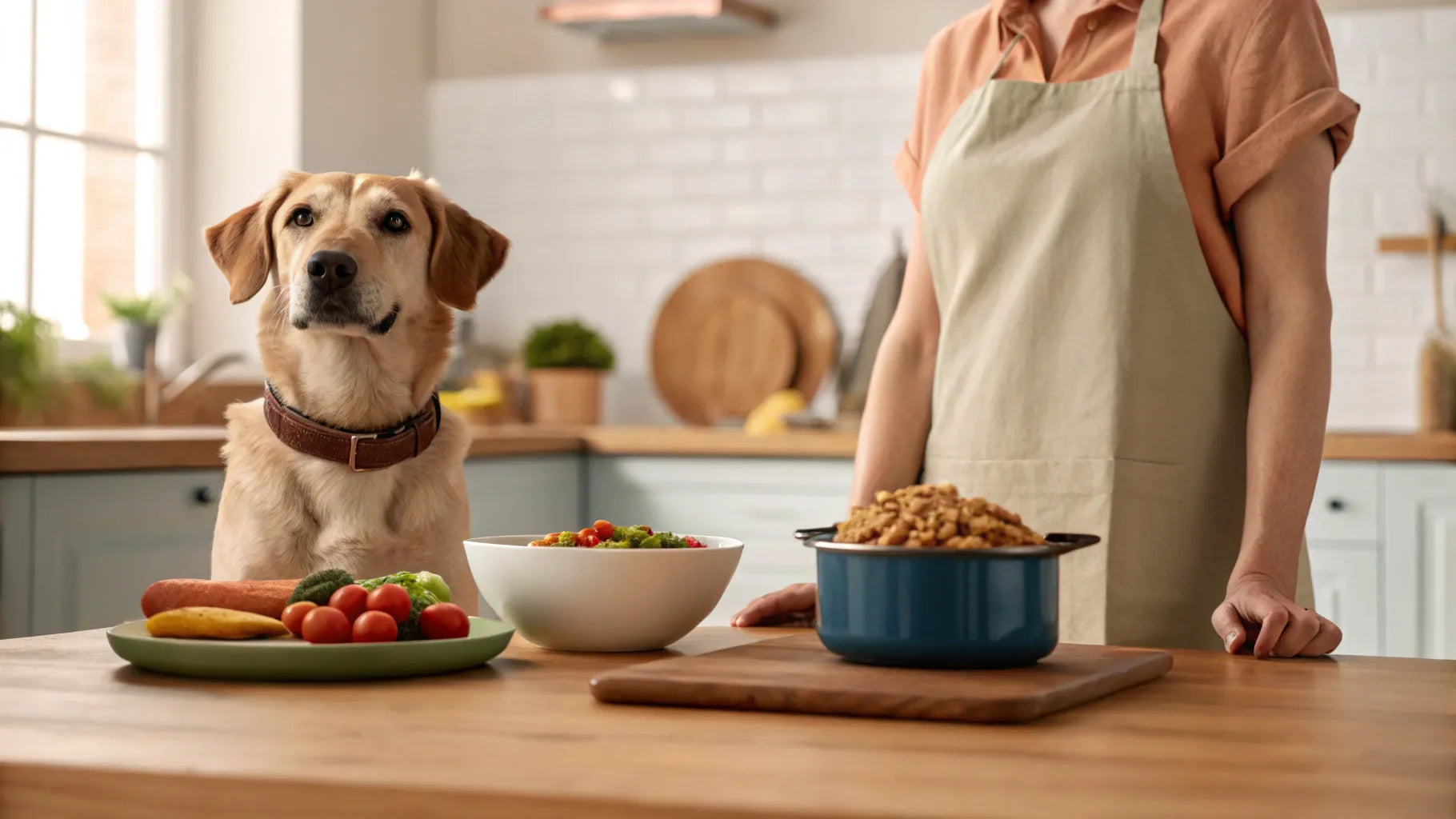
Supporting nutrition is about adaptation, not force.
Adjusting Diet and Feeding Strategies
Smaller, more frequent meals or softer foods may be easier to manage.
Consulting with a Veterinarian
A vet can rule out medical issues and recommend appropriate dietary adjustments.
Nutritional Supplements
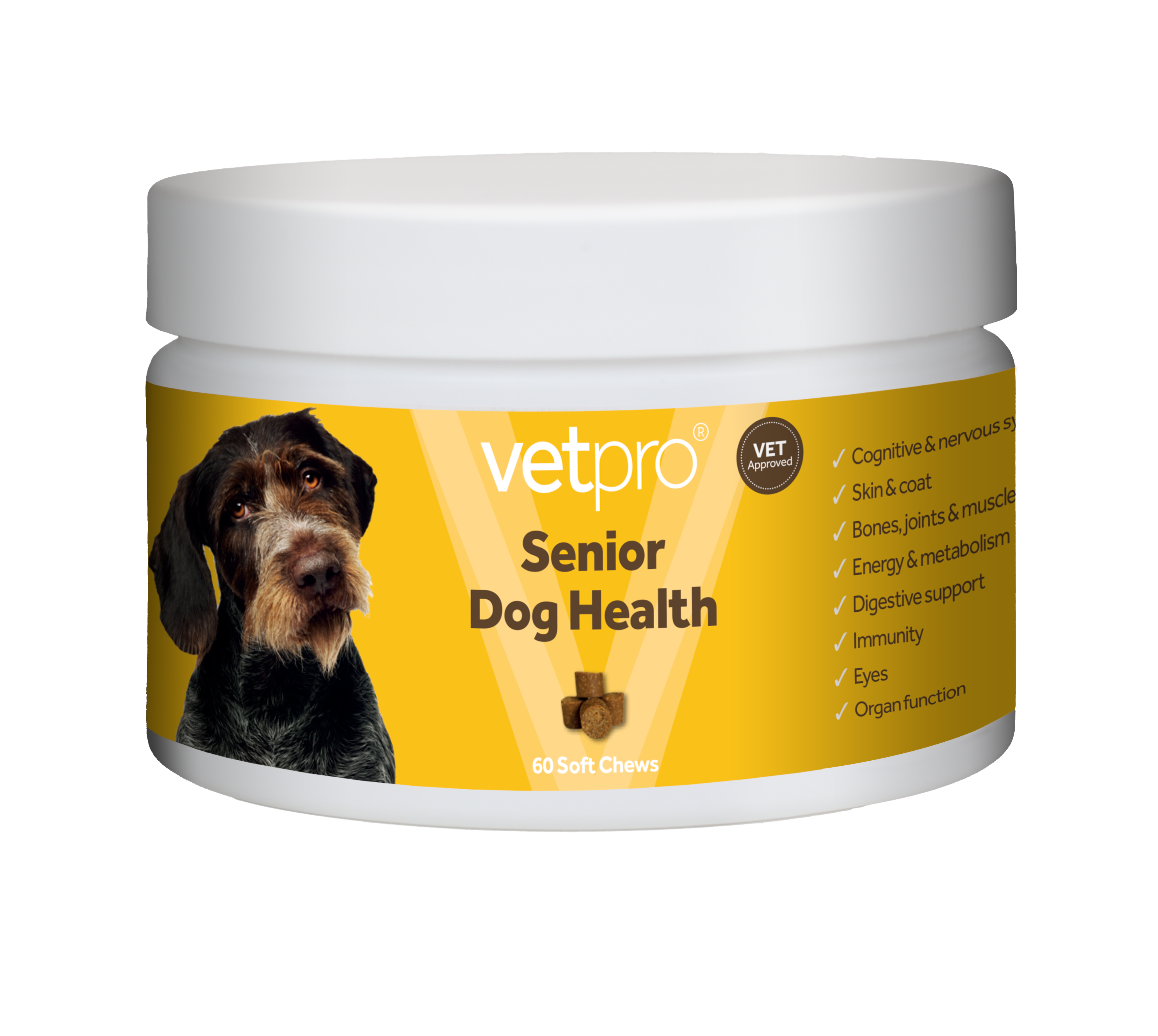
Joint support, digestive aids, or appetite-support supplements can help when used under guidance.
VI. Practical Tips for Encouraging Eating

Small changes can make a big difference.
-
Warm the food to enhance aroma
-
Try different textures, such as wet or gently mashed food
-
Create a calm eating environment away from noise or stress
-
Stick to a routine, which provides reassurance and predictability
VII. Conclusion



Changes in appetite are not something to panic about—but they are something to respect.
By paying attention early and responding thoughtfully, you help protect your senior dog’s comfort, health, and dignity. Proactive care, gentle adjustments, and emotional awareness can preserve quality of life well into your dog’s golden years.
Sometimes, love looks like simply noticing what’s left in the bowl.